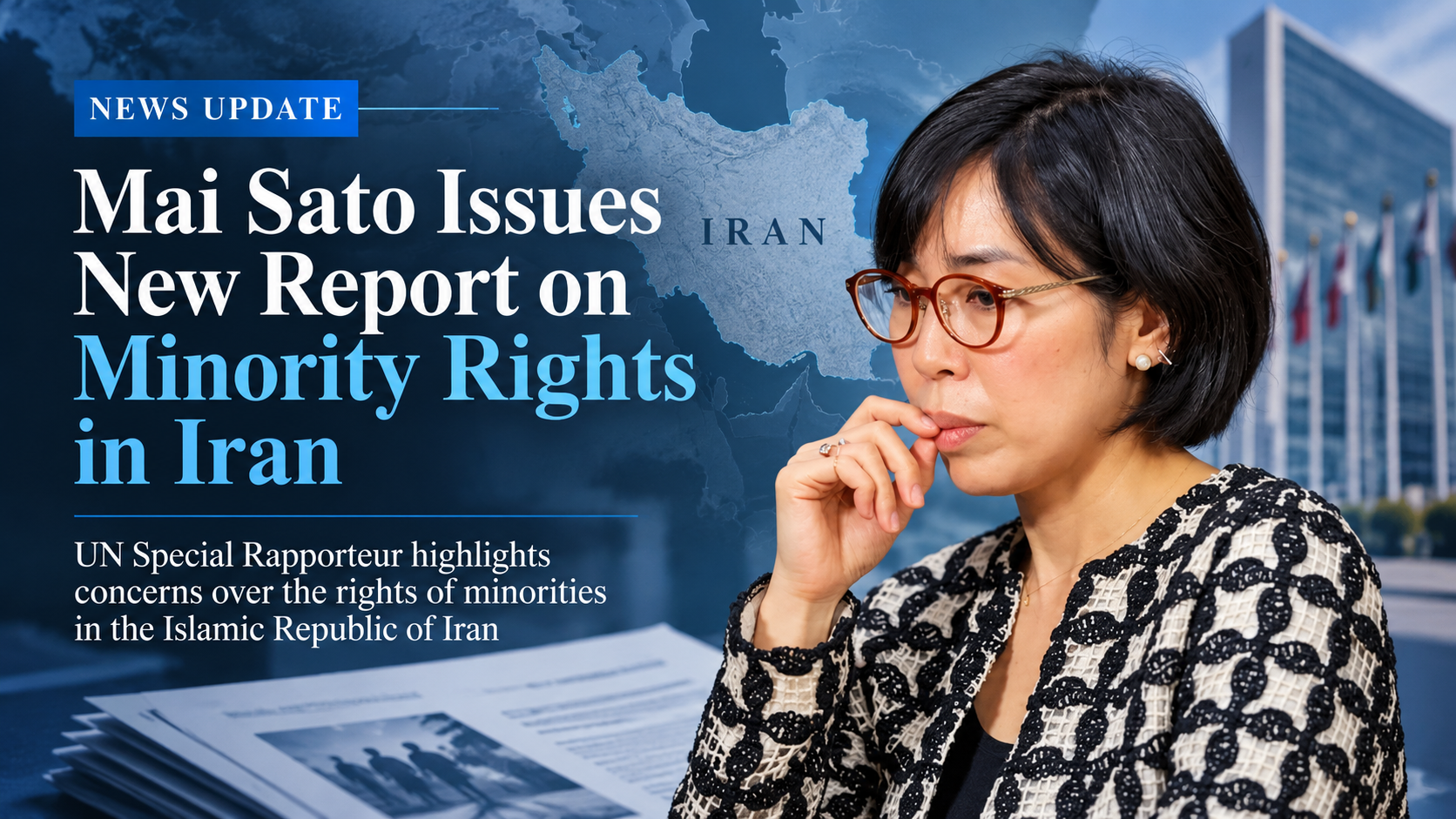
Mai Sato, the UN Special Rapporteur on the human rights situation in the Islamic Republic of Iran, has published a detailed post on X on the treatment of ethnic and religious minorities in Iran and its link to the death penalty. She names Azerbaijani Turks among the communities affected.
She writes that for Kurds, Baluch, Ahwazi Arabs, Azerbaijani Turks and Turkmen, discrimination extends from restrictions on language rights to ethnic stereotyping in State media. Economic marginalisation, land confiscation and environmental degradation have further deepened poverty in many minority regions.
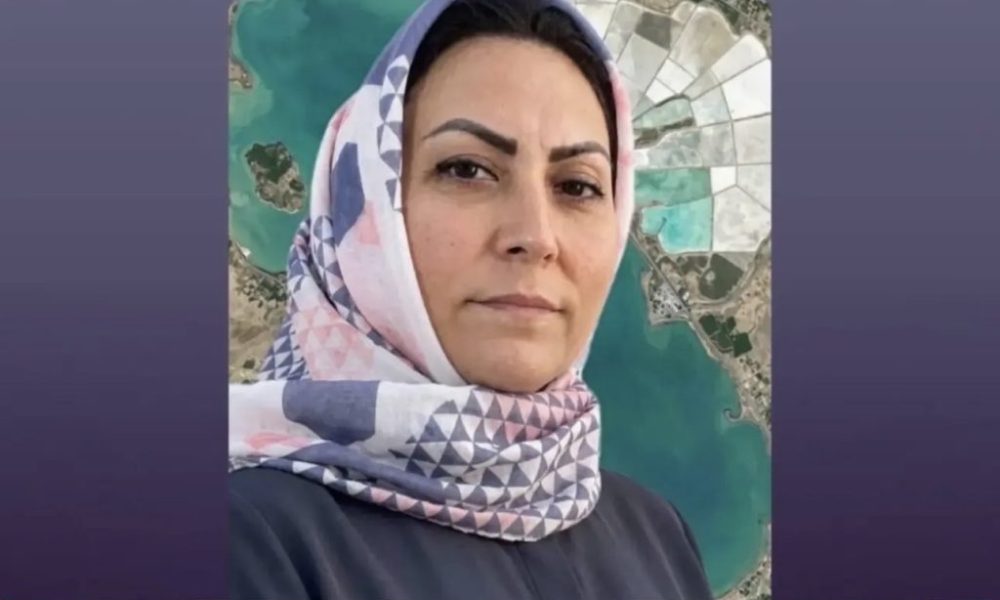
The Special Rapporteur notes that many Baluch are denied a shenasnameh (identity booklet), limiting access to education, healthcare and formal employment, and that Kurdish kolbars and Baluch sukhtbars often rely on cross-border transport of goods and fuel for their livelihoods. Environmental mismanagement has displaced communities across minority regions, including Kurdish, Arab, Baluch, Turkmen and Gilak areas, while, in her words, "Azerbaijani Turks continue to experience the consequences of environmental degradation around Lake Urmia".
She adds that religious minorities face similar forms of exclusion. Baha'is are effectively barred from higher education and public employment and, like Christian converts, have long been portrayed as security threats, while Sunni Muslims and Yarsan remain excluded from public office.
This broader context, she says, is essential to understanding death penalty cases involving minorities. "Discrimination does not end at the gates of the criminal justice system; it can affect arrest, detention, trial and sentencing, including in capital cases."
Ethnic minorities facing capital charges often encounter additional barriers to a fair trial, including inadequate interpretation during interrogations and court proceedings, allegations of torture and other ill-treatment aimed at extracting confessions, and prosecutions on national security charges often unsupported by credible evidence.
The Special Rapporteur cites several cases. Farhad Baranzehi, a young Baluch man, was reportedly sentenced to death for baghy (armed rebellion) without a lawyer present, raising concerns about allegations of torture and other serious fair trial violations. Hatem Özdemir, a Turkish national of Kurdish ethnicity, was reportedly denied interpretation during critical stages of the proceedings that resulted in a death sentence for baghy. Yousef Ahmadi, a Kurdish man from Baneh, has alleged extremely violent torture and denial of medical care following his arrest. Similar concerns have been reported in the cases of Rauf Sheikh-Maroufi, Mohammad Faraji and Mohsen Eslamkhah, three Kurdish men sentenced to death in connection with the Woman, Life, Freedom protests. At the time of writing, none of these death sentences has been carried out, and the individuals concerned remain at imminent risk of execution.
She concludes that documented patterns of ethnic and religious discrimination, combined with recurring allegations of torture, coerced confessions and fair trial violations in individual cases, raise serious concerns about the application of the death penalty to minority groups in Iran. Capital cases already warrant the most exacting scrutiny under international human rights law, she says, and these factors demand particularly rigorous scrutiny of capital cases involving members of ethnic and religious minorities.
The post was published on the Special Rapporteur's official X account, @drmaisato, on 1 October 2026.